
Not everyone can land a triple Lutz, curl a stone precisely on the button, or shred some serious gnar on a snowy half pipe. Yet every four years, we’re locked onto our screens watching Winter Olympians put their training to the test and couch-coaching as though we’ve dedicated our own lives to their sport. Whether through national pride, obsessed interest in the games, or general love for the worldwide fanfare, February is spent with our eyes and hearts glued to Winter Olympic games, held this year in Milan, Italy.
To make the games and broadcasts more accessible to viewers from cultures, languages, and regions around the world, an important aspect of each Olympic turn is their host city branding. Often this includes widely discussed items like the player housing and dining, social media frenzied engagement, and perhaps most importantly- the mascots.
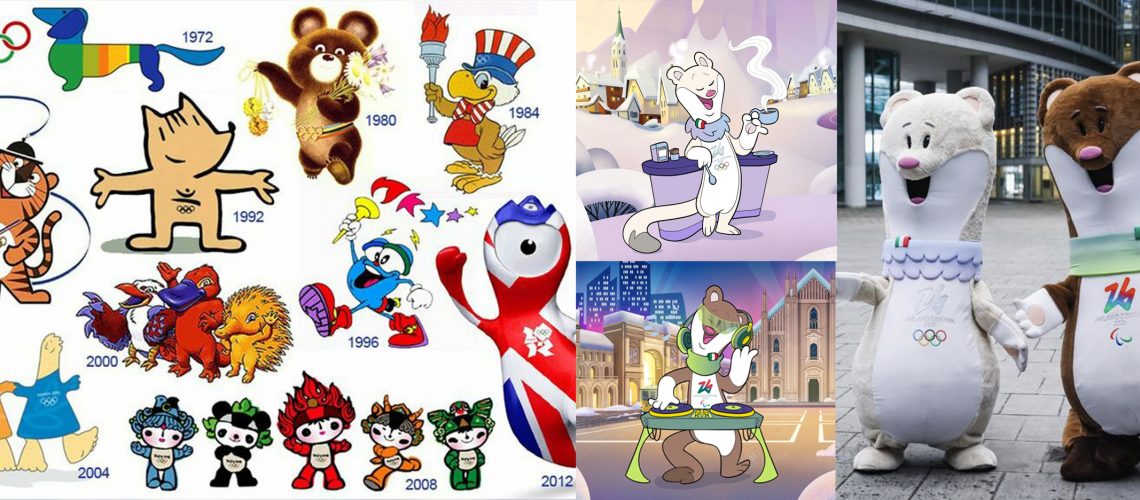
Each Olympic games has their own mascots to embody that host city’s local flare while being the emblem for the energy and pride for that year. In 2026, we have our sibling stoats (a.k.a ermines) Milo and Tina. These two furry fun-lovers are vital marketing tools to help engage audiences to spread the festive spirit and promote the Olympic values globally. Unlike the sports themselves, which can be fairly limited in reach and appeal, the mascots are the Olympic’s most brandable assets, engaging kids and adults alike through merchandise, graphics, sponsorship opportunities, and collectibles.
Their design is specifically curated to be a symbol of that host country’s values and culture (Tina and Milo are named after the primary host city Milano Cortina) and bring a friendly levity to the games’ marketing. This year, our stoat friends are accompanied by snowdrop spirits called “The Flo” that can help exemplify specific sports. Keep an eye out for the different ways you see these two furry friends utilized throughout February and how they bring the games a new glimmer of Italian fun.